
本部(東京)国際交流
第13回留学生のための茶の湯体験教室(2026年1月10日)
横浜国立大学部会
佐々木隆雄(日本製鋼所OB)
このイベントは初回から第12回までは、大岡インターナショナルレジデンスのコミュニケーションホール(床の間のある和室、かつ茶の湯道具あり)を使用させていただきましたが、都合により土、日曜日は使用できなくなり、今回は常盤台インターナショナルレジデンスのコモンラウンジを使用させていただきました。このラウンジには10畳を超えるマットが敷き詰められた舞台がありそれを茶室に見立て、必要道具等は全て講師の方々が持参しました。お釜もありませんので電気湯沸かしを持参し、ひしゃくでお湯を汲む形で対応しました。
今回のイベントを下記通り行いました。
実施日&時間 2026年1月10 日(土)14:00~16:00 場所 上記の常盤台インターナショナルレジデンス1階コモンラウンジ 参加者 留学生11名&部会員3名 計14名 講師8名、見学者1名、行事幹事2名 総計25名
今回のイベントに関しては、このイベントに参加したMs. Khant May Phone/YNU Socrates Programより頂いたルポルタージュ風に書かれた以下感想文を一読ください。日本語訳は彼女との一対一国際交流の担当者伊藤真一さんが対応しました。
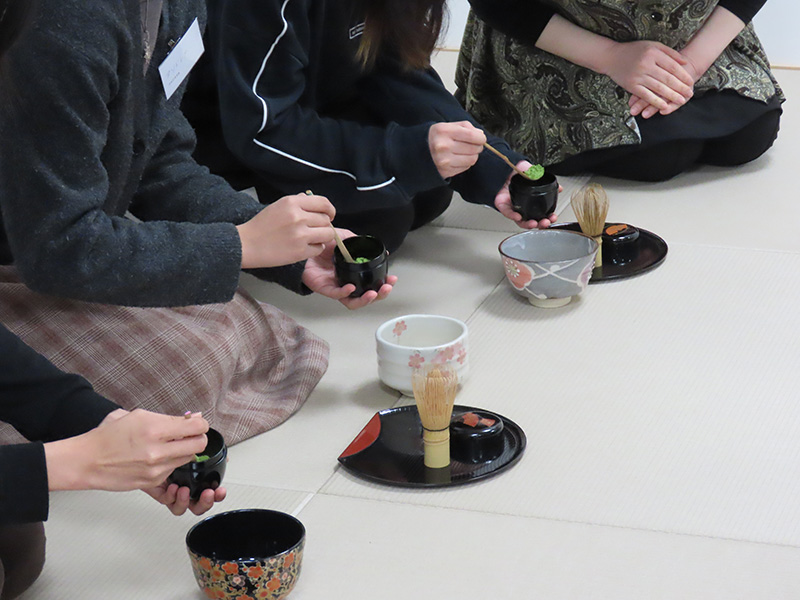
お茶をふるまう
Khant May Phone
Yokohama National University
For many people, January 10th might have been a regular day, but for me, it became a valuable cultural experience. As this was my first time participating in a Sadō (Chadō) class, I felt both excited and curious. From the moment I arrived, the volunteer staff from the Mitsui Volunteer Network and teachers welcomed me with warm and gentle smiles, creating a calm and respectful atmosphere that reflected the spirit of the tea ceremony.
During the class, I learned not only how to prepare matcha but also the importance of manners, such as how to properly remove shoes and how to sit in a traditional Japanese room. These practices helped me understand that the tea ceremony is not simply about drinking tea, but about cultivating mindfulness, respect, and harmony. In particular, the explanation of wabi-sabi taught me to appreciate simplicity, imperfection, and quiet beauty in everyday life.
One of the most meaningful aspects of the class was being able to experience both roles—serving tea as a host and receiving tea as a guest. Serving tea required attentiveness and humility, while being a guest required gratitude and appreciation.
At the end of the class, I also learned how to make a kobukuro (小袋) using a handkerchief. This activity showed how traditional cultural knowledge can be practical and adaptable to modern life, reinforcing the idea that cultural practices continue to hold value beyond ceremonial settings.
In addition, the teachers handed us some flyers with recipes using matcha. Inspired by this, I tried making matcha tea and matcha onigiri at home, and they were both delicious.
I am deeply grateful to Mitsui V-Net and the teachers for creating this wonderful opportunity for international students. Through this experience, I gained not only knowledge of Japanese culture but also a deeper appreciation for the values of respect, patience, and gratitude. This class truly allowed me to learn through experience, as its title promised, and it became a meaningful moment in my cultural learning journey.
Khant May Phone
横浜国立大学
多くの人にとって、1月10日は普通の1日であったかもしれませんが、私にとっては貴重な文化を体験した1日でした。
茶道教室に参加したのがその日が初めてでしたので、興奮と好奇心を同時に湧き上がってきました。茶道教室に着くなり、三井V-Net のボランティアの方や茶道の先生方が茶道の精神を表す穏やかで礼儀正しい雰囲気を醸し出しながら、温かく優しい笑顔で私を迎えてくれました。
茶道教室が開かれている間、抹茶を点てる方法のみならず、きちんとした靴の脱ぎ方や伝統的な和室での座り方といったマナーの重要性を学びました。このような実践を通して、私は茶道が単にお茶を飲むことではなく、注意深さや、敬意や、調和を育むことであると理解しました。特に、侘び寂びの説明を開いてから、日常生活の中にある簡素さや、不完全さや、静寂の美の良さを認識するようになりました。
茶道教室の最も有意義な側面の一つは亭主としてお茶を振る舞うことと客としてお茶をいただくことという両方の役割を経験できることでした。お茶を振る舞うということは配慮と謙虚さが求められますし、その間、客は感謝の気持ちを表わす必要があります。
茶道授業の終わりに、私はハンカチを用いて小袋の作り方を学びました。この活動を通して、伝統的な文化知識が現代生活にどれほど実用的で応用可能であるかを示していました。伝統文化は儀式の場面を超えて価値を持ち続けています。
さらに、先生方から抹茶を使ったレシピのチラシをいただきました。それを参考にして、私は自宅で抹茶を点たり、抹茶おにぎりを作ったりしてみました。どちらもとても美味しかったです。
私は留学生のためにこのような素晴らしい機会を設けてくださったことに心より感謝を申し上げます。この経験を通して、私は日本文化の知識だけでなく、尊敬、忍耐、そして感謝に対して、より深い認識を得ました。この授業は、私の文化学習の旅においてとても意義深い瞬間となりました。
(横浜国立大学部会 伊藤真一さん和訳)
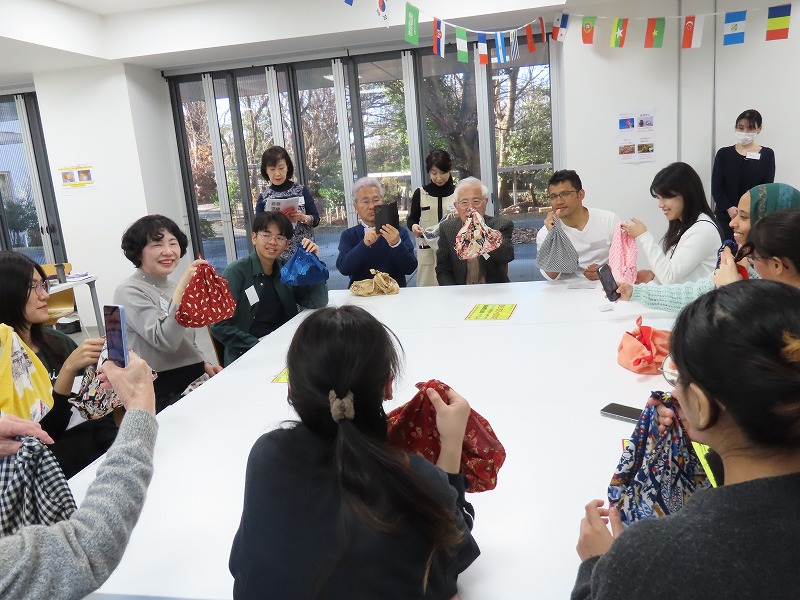
小袋作り
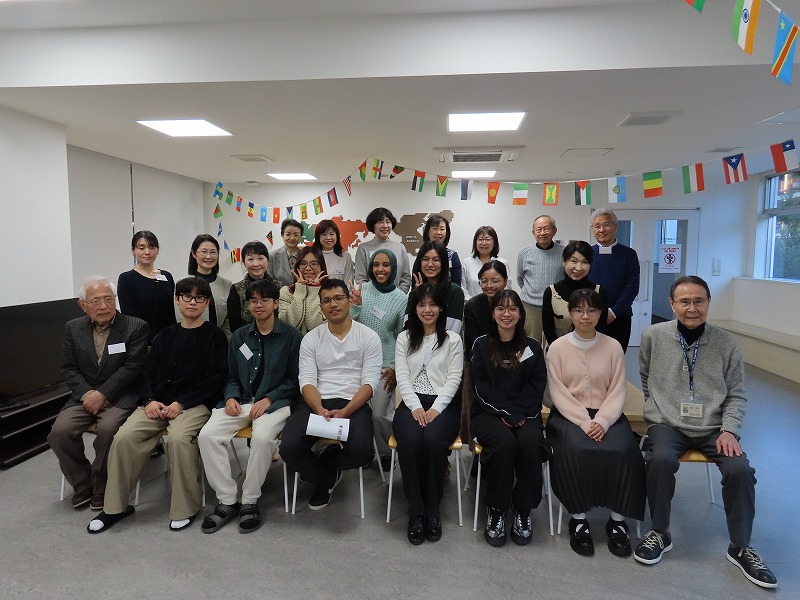
集合写真
一覧に戻る